Author: Samina Gulzar
Amber (1) Chatoyance in Gemstones (1) Diamonds (1) Did You Know? (4) FAQs (4) Identification Tools (1) People Also Ask (4)
-
10 Simple Tests For Identifying Minerals
Minerals have a variety of physical and chemicals properties that can be evaluated using simple tests. The under mentioned checking method can tell us about mineral with simple laboratory tools and equipment. However, in some cases some tests can be dangerous for minerals and gemstones. Hardness Mohs Hardness Scale Magnetism Color Luster Streak Fluorescence Crystal Shape…
-
Identification of Gems Minerals through Calcite Dichroscope
Observing Gems Mineral colours through Calcite Dichroscope. A dichroscope is a handheld tool for identifying or looking into the different colors or shades of a pleochroic piece of gems minerals. It helps any gemologist or gem cutter in judging gemstone before cutting or identifying gem. Calcite Dichroscope Calcite Dichroscope is used to observe dichroic gems and trichroic…
-
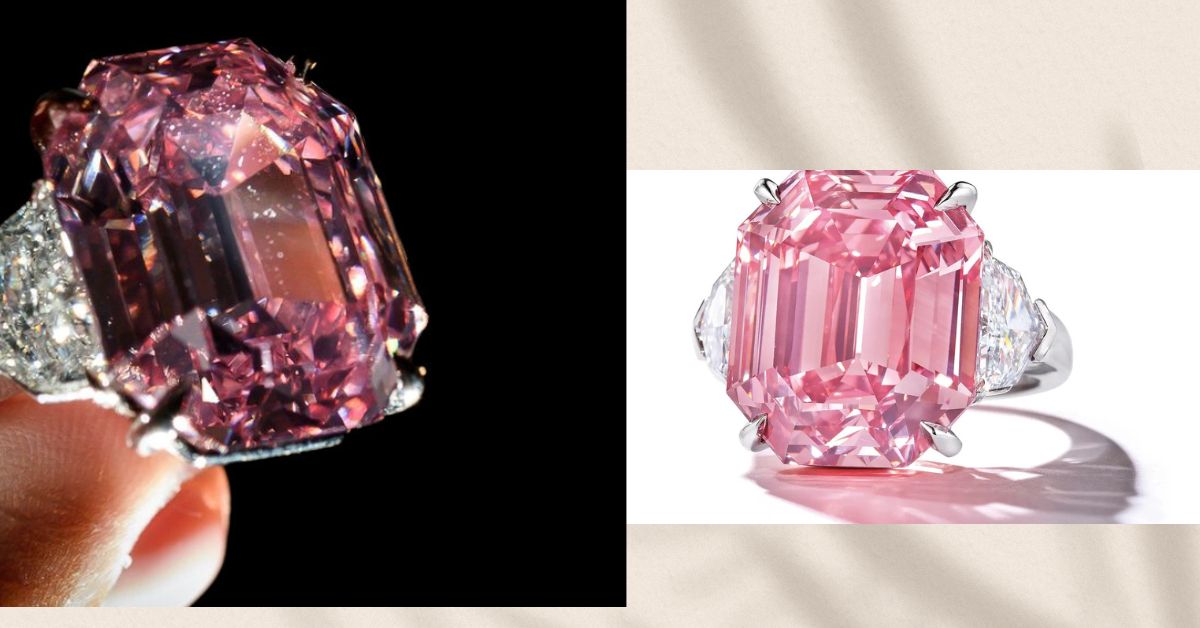
Record Breaking Exceptionally Large Diamond 2018 ‘Pink Legacy’
Every year, new records are made in gemstones, rocks and minerals. The unique feature of any unique genuine gemstones made them rare in the world. Recently, a new big diamond called “pink legacy” is sold for 50.3 million Swiss Francs on Tuesday at Christie’s auction house in Geneva. The weight of diamond is 18.96 carats. After…
-
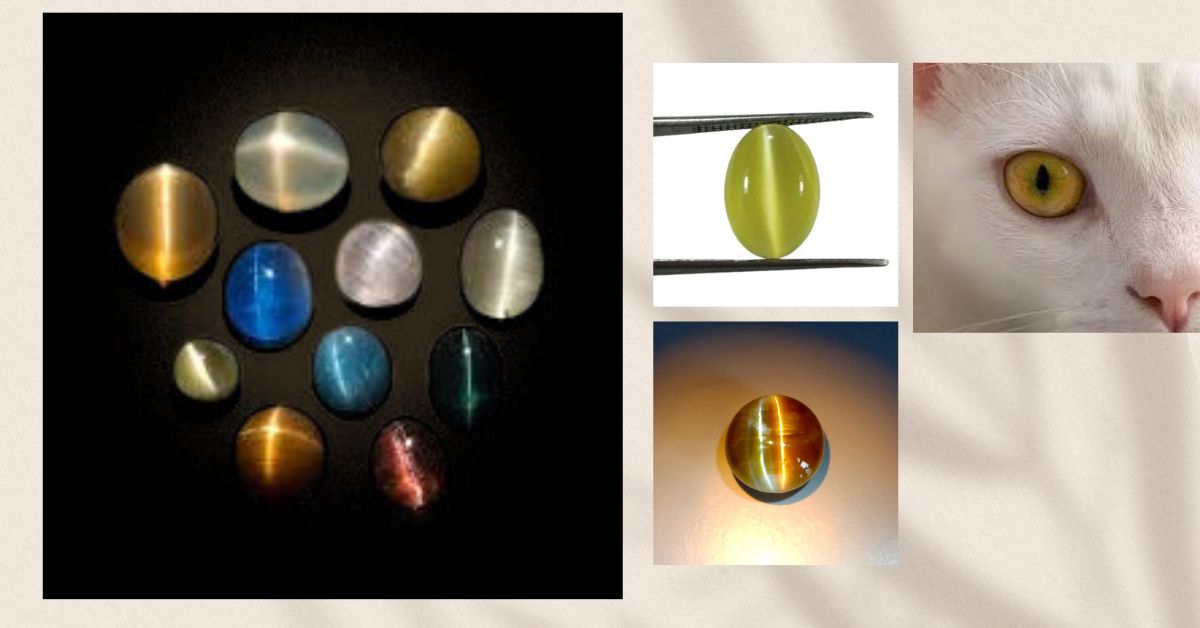
What is Chatoyance? or Cat’s-Eye Effect in Gemstone and Minerals
Today we will discuss gemstones and mineral information regarding chatoyance effect. Let us first see what is actually chatoyance? What is Chatoyance in Gemstones? Chatoyance is derived from the French word “chatoyer” which means cat and “oeil” means eye. Chatoyance is a bright streak or a bright band of light across the surface of a cabochon. It is…
-
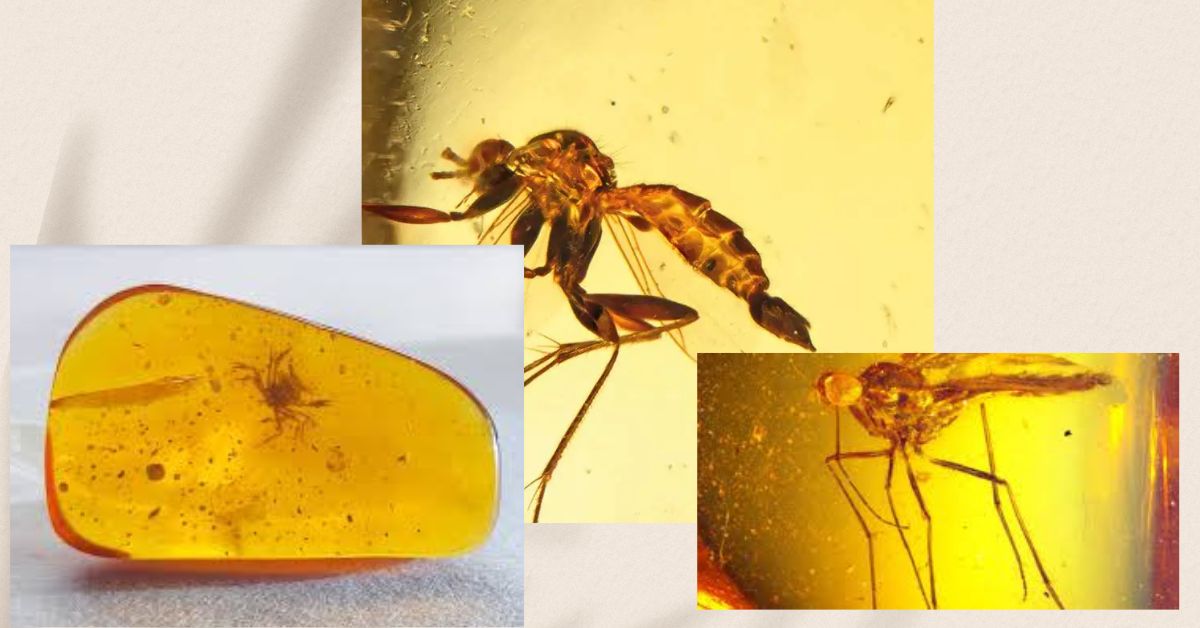
Top 5 Myanmar Amber Preserved Fossils
The earth gives us gemstones and minerals. Here is another story of amber also. Ambers are organic gemstones which preserve the life of earth within self. Ambers are basically tree resin which captures the animals inside. When any insect or anything comes near to resin of tree, it becomes stick to it. This resin passes…
-
What is Geode?
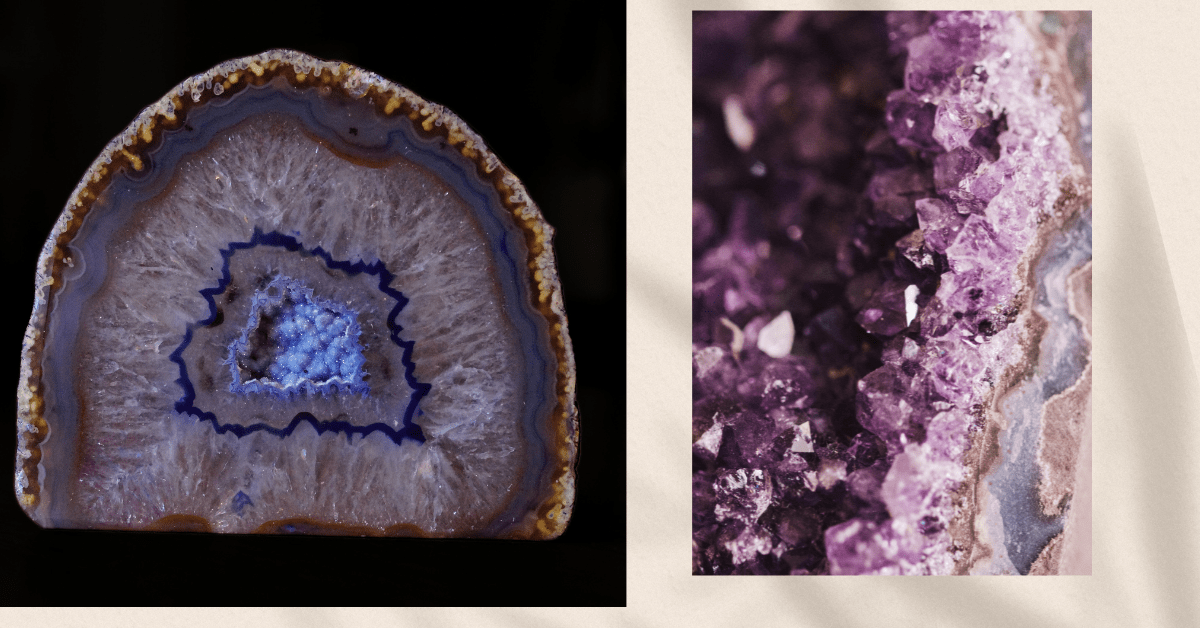
What is Geode? Geodes are geological occurrence of minerals in particular form after a particular process. They are formed within volcanic and sedimentary rocks. They are usually hollow inside, shape is usually circular in which there are formed lot of crystals or mineral matters. Crystals formation appears because of the filling of vesicles by minerals…
-
How to Photograph Gemstones and Minerals?
Photography of gems and mineral is an art. Especially polished gemstones have highly reflective surfaces that can reflect light back into the camera lens overexposing the facet and frequently burn into adjacent facets as well. Gemstones also have internal brilliance that acts in much the same way as the surface reflections. They always need specific light and background to…
-
How Gems Minerals Get Their Specific Colours?
Gemstones give very beautiful colour variety which attracts to the eyes of buyers. If people like the particular gemstones, it is because of their colour. Specific colour is known as gem colour. So, how the gemstones get their specific colour and how they turn into that particular colour? Here are some points discussed under below:-…
-
What is Lust Called in Gemstones?
Luster is referred to the light reflected from the surface of gems. In some gemstones, there is internal light reflections also such as facet stones with transparency. However internal reflection of light is not called luster. It is called brilliance. Luster is the way a mineral either shines or does not shine. Gems and minerals can…